English spelling can sometimes be tricky, especially when two words sound alike but only one is correct. A common question many learners and even native speakers ask is whether the word should be spelled “noisey” or “noisy”. This confusion often arises because of the way English words are pronounced versus how they are written.
Understanding the difference is important not just for school or exams, but also for professional writing, social media, emails, and everyday communication. While one version may look tempting, using the wrong form can make writing seem careless or unpolished.
Both UK and US English speakers face this issue, although spelling rules are generally consistent in this case. Therefore, getting it right will make your English clear, professional, and easy to read across audiences.
Quick Answer
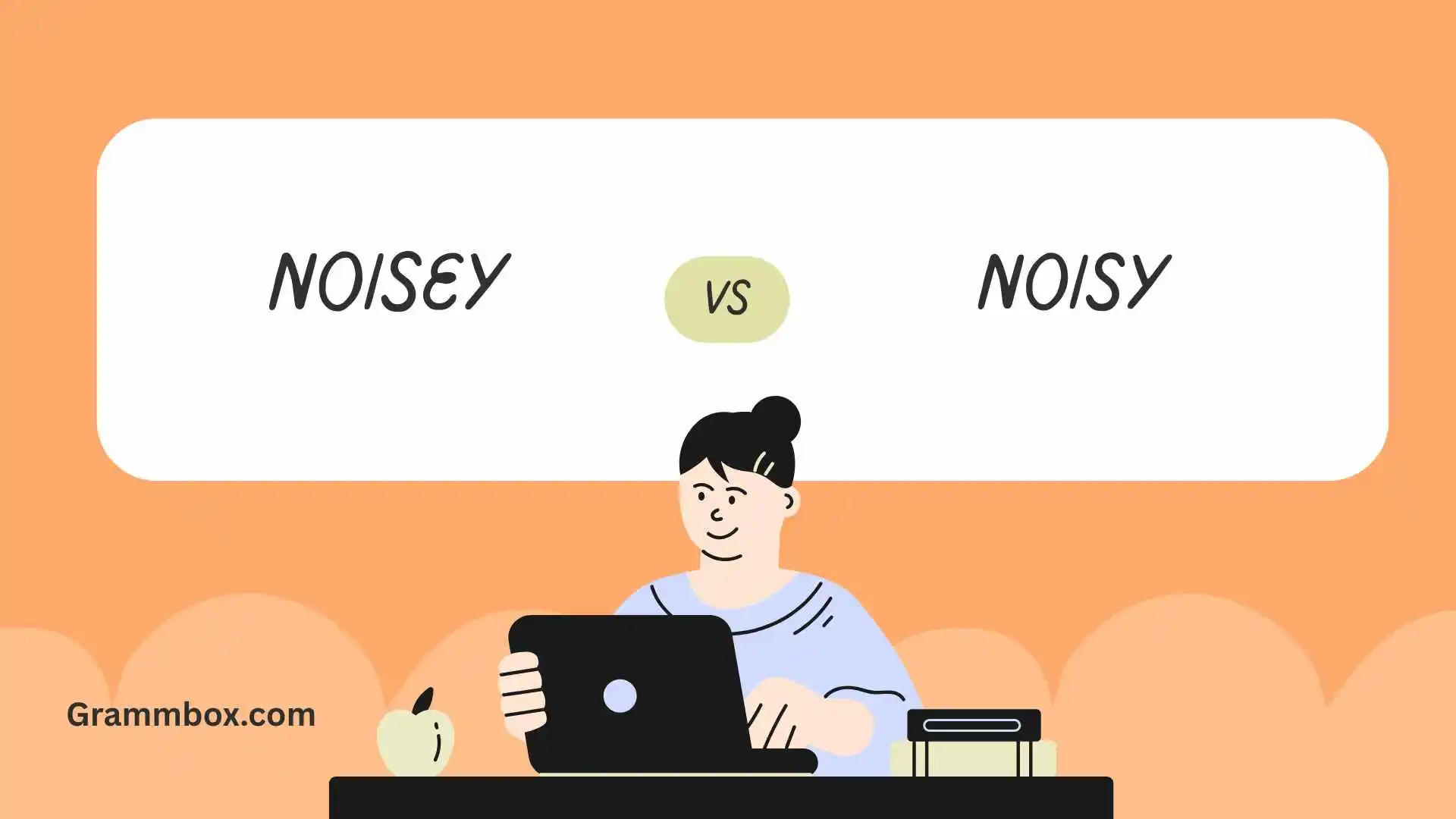
The correct spelling is “noisy”.
Noisey is incorrect and should be avoided in all forms of formal or informal writing. The word “noisy” is an adjective used to describe something that makes a lot of noise. For example:
- Correct: The children were very noisy in the playground.
- Incorrect: The children were very noisey in the playground.
Whether you are in the UK or the US, the spelling “noisy” is standard and universally accepted.
Meaning of the Correct Form
The word noisy is an adjective. It describes sounds that are loud, disruptive, or unwanted. It can refer to people, places, machines, or even environments.
Examples in UK English:
- The noisy traffic in London makes it hard to concentrate.
- I cannot sleep because my neighbour’s dog is so noisy.
Examples in US English:
- The kids in the park were extremely noisy.
- I prefer a quiet library rather than a noisy coffee shop.
Key points about “noisy”:
- It describes a loud sound or disturbance.
- It is used in both formal and informal writing.
- Pronunciation: /ˈnɔɪ.zi/ (sounds like “noi-zee”).
Meaning of the Incorrect Form
Noisey is not a valid word in English.
- Some people mistakenly add an extra “e”, thinking it might be correct because other adjectives like “easy” change to “easier” or “easiest.”
- Unlike “easy,” noisy already ends with a “y” and does not require an extra “e.”
Incorrect examples:
- ❌ The street is too noisey for sleeping.
- ❌ I hate staying in noisey hotels.
Always remember: Noisey = incorrect, and should never appear in essays, emails, or publications.
Keyword Comparison / Key Differences
| Feature | Noisy | Noisey |
| Correct spelling | ✅ Yes | ❌ No |
| Part of speech | Adjective | N/A |
| Usage in UK English | Standard | Incorrect |
| Usage in US English | Standard | Incorrect |
| Common mistakes | Adding extra “e” | N/A |
| Examples | A noisy party kept me awake. | The noisey party kept me awake. ❌ |
Key takeaway: There is only one correct form, which is noisy, for both UK and US English.
Noisey or Noisy
| Section | Information |
|---|---|
| Noisey or Noisy UK | In UK English, noisy is the correct spelling. The word noisey is considered a misspelling and should be avoided in formal and informal writing. British dictionaries, style guides, and educational resources all recognize noisy as the standard form. |
| Noisey or Noisy Examples | Correct: “The children were noisy during the lesson.” “My neighbour’s dog is very noisy at night.” “The restaurant was too noisy for a conversation.” Incorrect: “The children were noisey during the lesson.” |
| Noisey or Noisy Synonyms | Common synonyms for noisy include loud, boisterous, rowdy, clamorous, deafening, raucous, bustling, uproarious, vociferous, and thunderous. The best synonym depends on the context and level of noise being described. |
| Noisey or Noisy Meaning | Noisy is an adjective that describes something or someone making a lot of sound, often more than is comfortable or expected. It can refer to people, animals, machines, places, or activities that produce noticeable or excessive noise. |
Common Mistakes People Make

Even native speakers sometimes write noisey because of phonetic spelling habits. Here are some practical mistakes to watch out for:
- Adding an extra “e” unnecessarily
- Wrong: The machinery is too noisey.
- Right: The machinery is too noisy.
- Mixing it with other “-y” adjectives
Words like “busy,” “easy,” or “messy” can confuse learners because some follow different rules for comparison. Remember: noisy does not change this way. - Informal text errors
On social media, texting, or chatting, many people type “noisey” thinking it looks correct. While informal writing may allow slang, standard spelling should always be noisy. - Regional confusion
Some learners mistakenly believe “noisey” is UK spelling and “noisy” is US spelling. This is false both UK and US English use noisy.
Correct Usage in Sentences
Here are multiple examples of correct usage in real-life contexts:
UK English Examples:
- The market was noisy with the calls of street vendors.
- She found the classroom too noisy to concentrate.
- Noisy neighbours can be a serious problem in apartment living.
US English Examples:
- The construction site was incredibly noisy.
- I don’t like staying in noisy motels.
- The children were noisy, but they were having fun.
Tips for clarity:
- Use noisy to describe sound-related disturbances.
- Avoid using “noisy” for visual or emotional descriptions it strictly relates to sound.
Tips to Remember the Correct Usage
Here are some easy tricks to help you remember:
- Think of “noise” – The word “noisy” comes from “noise.” No extra “e” is needed.
- Y-ending rule – If a word ends with “y” and you are making it an adjective, don’t add extra letters.
- Mnemonic tip: “Noise + y = noisy” – just like “happy” or “funny,” no extra letters.
- Always check spelling in formal writing – emails, essays, or reports should be error-free.
By following these tips, you’ll avoid the common mistake of writing noisey.
FAQs
1. Is “noisey” a word?
No. Noisey is incorrect. Always use noisy.
2. Can I use “noisy” for people?
Yes, you can describe people, children, or groups that make a lot of sound. Example: The children are very noisy today.
3. Is “noisy” spelled differently in UK and US English?
No. Both UK and US English use the spelling noisy.
4. Can I use “noisy” in formal writing?
Yes, it is correct in formal, informal, academic, and business contexts.
5. How do I remember the correct spelling?
Think: Noise + y = noisy. No extra “e” is needed.
6. What is the opposite of noisy?
Words like quiet, silent, or peaceful are antonyms of noisy.
7. Can “noisy” describe machines or objects?
Absolutely. Example: The engine is very noisy.
Conclusion
In summary, the correct spelling is always noisy, while noisey is incorrect and should never be used. Understanding this small but important detail will improve your writing, make it appear professional, and prevent confusion for both UK and US readers.
Quick tips to remember:
- Think “noise + y = noisy.”
- Avoid adding unnecessary letters.
- Use it for loud sounds, people, or objects.
Next time you write about loud environments, lively children, or bustling cities, make sure to choose the correct spelling: noisy. This simple adjustment ensures your English is clear, professional, and universally accepted.
READ MORE ARTICLES..
Binging or Bingeing: Which One Is Correct in Modern English?
breakroom or break room: What’s the difference & usage? 2026
Alumni or Alumnus: Which Word Should You Use and Why?
Dammit or Damnit: Which One Is Correct?