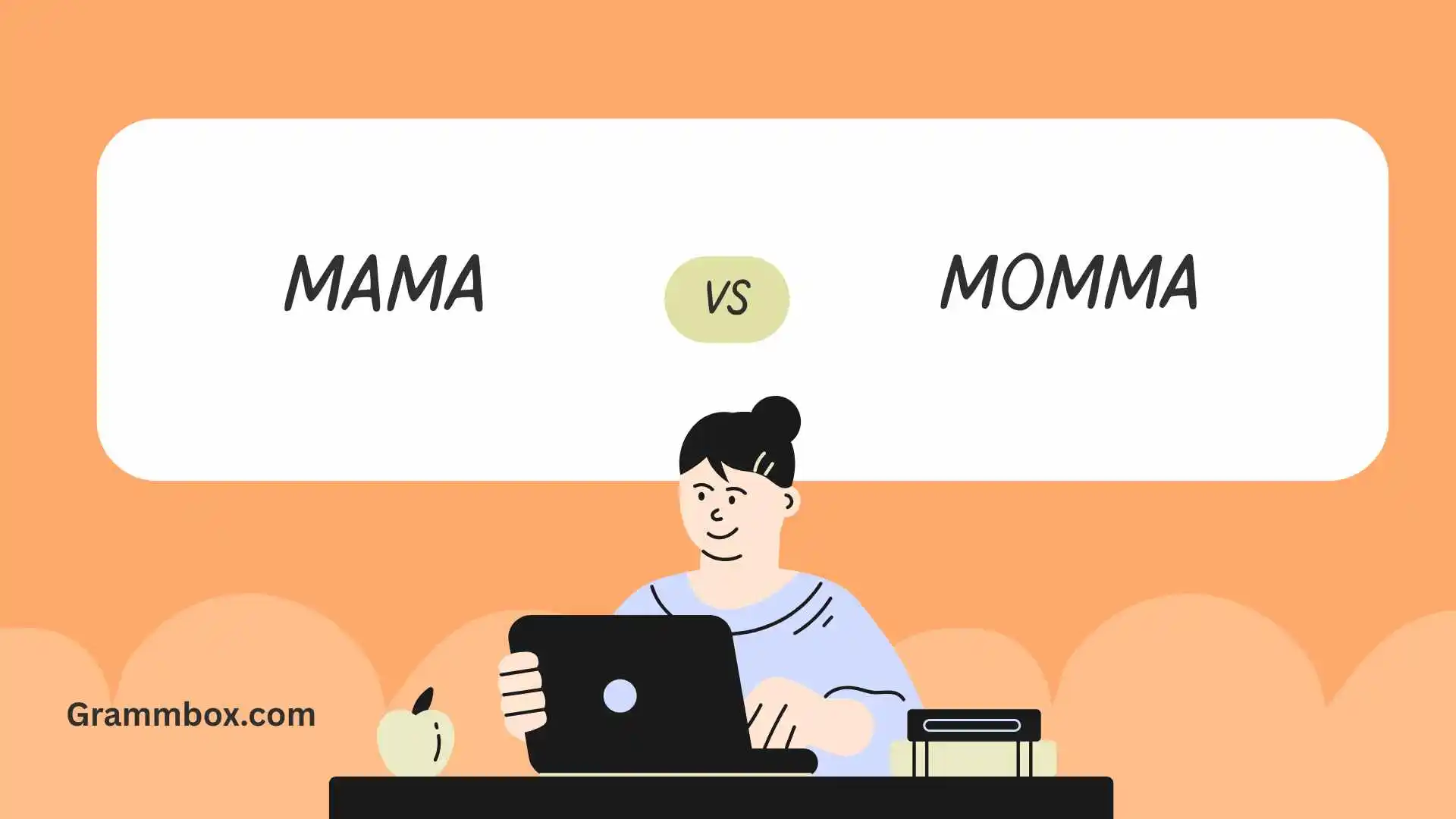
Many people often wonder about the difference between “mama” and “momma.” Both words are affectionate terms used to refer to one’s mother, but the choice between them can sometimes cause confusion, especially for English learners or people writing content that needs to suit both UK and US audiences.
Understanding the correct usage is important because it not only improves your writing and speaking but also helps you connect culturally. For instance, a UK audience might find “mama” more natural, while “momma” is more common in certain parts of the United States, especially in the Southern states. Getting this right ensures your content feels authentic and respectful of linguistic norms.
In addition, using the wrong form can sometimes make writing look informal or even incorrect in a professional context. Therefore, it’s worth exploring the meaning, differences, and proper usage of “mama” and “momma” thoroughly.
Quick Answer
“Mama” is the standard and widely accepted spelling in both British and American English, used as a loving term for mother. “Momma” is an alternative spelling, primarily used in informal contexts in the US, especially in the South.
In short: use “mama” for general purposes, and “momma” if you’re reflecting regional US dialects or informal speech.
Meaning of the Correct Form: “Mama”
Mama is a warm, affectionate term used for a mother. It is simple, easy to pronounce, and widely recognized in both British and American English.
- UK Example:
“I need to call my mama; she will know what to do.” - US Example:
“Mama always knows how to make me feel better.”
Key Points:
- Universally understood across English-speaking countries.
- Suitable for both formal and informal contexts.
- Often used in literature, songs, and casual speech.
Cultural Note:
In British English, “mama” can sound slightly more formal or traditional, while in American English, it feels intimate and endearing.
Meaning of the Alternative Form: “Momma”
Momma is primarily an American spelling that mimics pronunciation in certain regions, especially the South. It is less common in the UK and might look informal or colloquial.
- US Example:
“Hey, momma, can you help me with my homework?” - UK Usage: Rare, may appear in literature mimicking American dialects:
“Her momma always baked pies on Sundays.”
Key Points:
- Mainly informal and regional.
- Can appear in storytelling, novels, or dialogue to convey personality or accent.
- Less widely accepted in formal writing.
Keyword Comparison / Key Differences
| Feature | Mama | Momma |
| Region | Widely used in UK & US | Mainly US (Southern regions) |
| Formality | Standard, acceptable everywhere | Informal, casual |
| Pronunciation | MAH-ma | MAH-muh |
| Usage | Both speech and writing | Mainly speech and dialogue writing |
| Cultural perception | Gentle, affectionate | Cozy, homey, sometimes rustic |
Summary:
- Use “mama” as a default for universal English.
- Use “momma” when depicting regional US speech or adding personality to dialogue.
Mama or Momma Meaning
| Keyword | Information |
|---|---|
| Momma or Mama Bear | Both terms refer to a protective and caring mother. “Mama Bear” is the more common spelling in modern English and is often used to describe a mother who fiercely protects her children. |
| Mama or Momma Reddit | Discussions on Reddit generally suggest that mama is the standard spelling, while momma is often used to reflect a Southern U.S. accent, regional dialect, or a more affectionate tone. |
| Mama vs Momma Pronunciation | Both words are usually pronounced similarly: MAH-muh. However, some speakers may slightly emphasize the “o” sound in momma, depending on their accent. |
| Mama or Momma in English | In English, mama is the more widely accepted and standard spelling. Momma is considered an informal or dialectal variation that appears frequently in conversational writing and song lyrics. |
| Mama or Momma Meaning | Both words mean mother or mom. The difference is mainly spelling and regional preference rather than meaning. Mama is more universal, while momma often conveys warmth, familiarity, or a specific cultural style. |
Common Mistakes People Make
Many learners and writers make mistakes such as:
- Mixing spellings in a single document:
- ❌ “I called my momma, but mama didn’t answer.”
- ✅ “I called my mama, but she didn’t answer.”
- Using “momma” in UK English contexts:
- ❌ “Momma baked a cake for her birthday.” (sounds odd in the UK)
- ✅ “Mama baked a cake for her birthday.”
- Assuming “momma” is universally correct:
- ❌ “Momma is the correct spelling everywhere.”
- ✅ “Mama is widely accepted; momma is regional.”
- Pronunciation confusion:
- ❌ Pronouncing “momma” the same as “mama” in informal US speech can sometimes confuse readers if the regional context isn’t clear.
Tips: Pay attention to your audience’s location and the formality of your writing.
Correct Usage in Sentences
UK English Examples:
- “I haven’t seen my mama in weeks; I miss her so much.”
- “Mama, can you read me a story?”
- “Her mama taught her to sew when she was young.”
US English Examples:
- “Hey momma, can you pass the butter?” (informal, Southern style)
- “Momma always said, never give up on your dreams.”
- “I asked my momma to drive me to school.”
Pro Tips:
- In formal writing, always prefer mama.
- In fictional dialogues or lyrics, momma can add regional flavor.
Tips to Remember the Correct Usage
- Think Universal = Mama
Whenever in doubt, especially for international readers, choose “mama.” - Regional = Momma
Use “momma” only if you want to reflect Southern US English or informal speech. - Mnemonic Trick:
- Mama = Mother Anywhere (works anywhere)
- Momma = Mostly in the US, Mainly American
- Consistency Matters:
Never switch between “mama” and “momma” in the same paragraph unless stylistically intentional. - Check the Audience:
UK readers may find “momma” odd, while US readers will accept both, depending on context.
FAQs about “Mama or Momma”
1. Is “momma” correct English?
Yes, but it is informal and regional. It’s more common in the Southern US. For universal correctness, “mama” is safer.
2. Which is used in British English?
Mama is standard in the UK. “Momma” is rarely used.
3. Can I use “momma” in formal writing?
No. For formal writing, professional documents, or international content, stick to mama.
4. Are “mama” and “momma” pronounced differently?
Slightly. “Mama” is usually pronounced MAH-ma, while “momma” often sounds like MAH-muh in Southern US dialects.
5. Are there other variations?
Yes, “mom,” “mum” (UK), and “mommy” (US) are also common affectionate forms.
6. Can “mama” be used in songs or literature?
Absolutely. Songs like “Mama Mia” and literary works often use “mama” to convey warmth and affection.
7. Is “momma” more affectionate than “mama”?
Not necessarily. “Momma” adds a regional, cozy feel but isn’t inherently more affectionate. Context matters more than spelling.
Conclusion
In conclusion, both “mama” and “momma” are affectionate terms for mothers, but their usage depends on region and context. Mama is universally recognized and works perfectly for both UK and US audiences, making it the safest choice for most writing. Momma, on the other hand, adds a Southern US flavor and works best in informal speech or literature portraying American dialects.
To master the use of these words, remember: think global = mama, think regional US = momma. By choosing the right spelling for your audience, you can ensure your writing feels natural, friendly, and culturally accurate. Start practicing today by checking your sentences, and soon the choice between “mama” and “momma” will become second nature.
READ MORE ARTICLES..
Aging or Ageing: Which Is Right in English Writing?
Totaling or Totalling: What’s the difference & usage? 2026
Prefer vs Perfer: Meaning, Usage & Examples.
quiet or quite: What’s the difference & usage? 2026